Introduction: When Daily Conditioner Isn't Enough
Daily conditioner is maintenance. A deep repair hair mask is intervention. For the estimated 65% of women and 40% of men who report having damaged hair, the weekly mask has become as non-negotiable as the daily cleanser — and the premium hair mask category is projected to grow at a 6.8% CAGR through 2030.
For beauty brands, the deep repair mask category offers compelling economics: higher price-per-ounce than any other rinse-off hair product, strong repeat purchase behavior (masks are consumed predictably — one tub lasts 4–6 weeks), and natural brand loyalty (consumers who find a mask that works are reluctant to switch). But capturing this loyalty requires a product that genuinely delivers on its repair promise — and that starts with understanding the formulation science.
The Three Pillars of Effective Hair Mask Formulation
A deep repair hair mask that merely conditions is a conditioner in a jar. A true repair mask operates on three simultaneous mechanisms:
Pillar 1: Cortex-Level Protein Infusion
The hair cortex — the inner structure that accounts for approximately 80% of hair's mass — loses protein through every chemical service, UV exposure, and even aggressive combing. A repair mask must deliver hydrolyzed proteins below 1,000 Daltons that are small enough to penetrate beyond the cuticle and into the cortex, where they bind to damaged sites along the keratin polypeptide chains.
The most effective protein systems combine:
- Hydrolyzed keratin (<1,000 Da) — directly replaces lost cortical proteins
- Hydrolyzed silk protein (500–2,000 Da) — adds flexibility without brittleness (over-keratinized hair becomes stiff and prone to snap)
- Hydrolyzed wheat protein (1,500–5,000 Da) — provides film-forming cuticle protection
Pillar 2: Lipid Barrier Restoration
The intercellular lipid matrix that naturally cements cuticle cells together is composed primarily of 18-methyl eicosanoic acid (18-MEA), covalently bound to the cuticle surface. Damaged hair has lost this lipid — which is why it feels rough and tangles easily.
While 18-MEA itself is difficult to formulate with (it's insoluble in water-based systems), functional lipid replacements include:
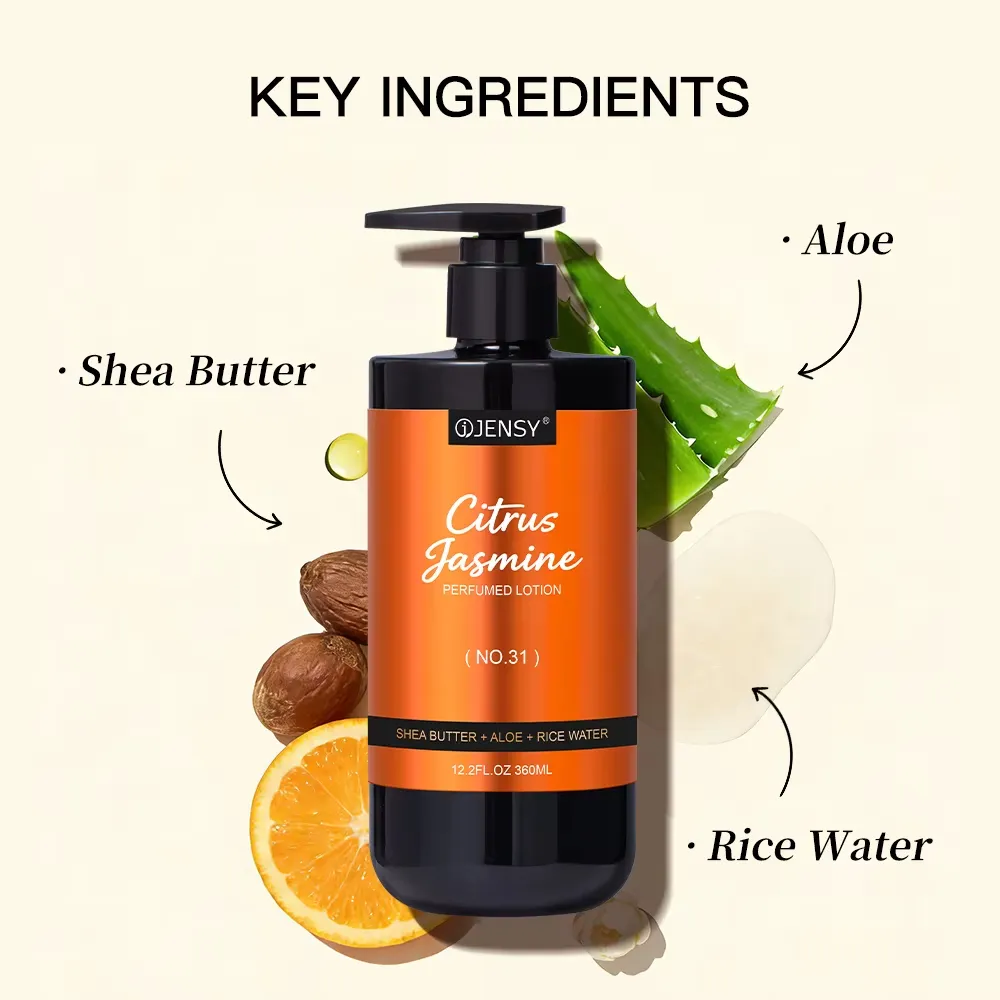
- Shea butter (rich in stearic and oleic acids that mimic the natural lipid profile)
- Ceramide NP (ceramide 3) — structurally similar to the lipids in the hair's cell membrane complex
- Argan oil — high in oleic and linoleic acids with demonstrated cuticle-smoothing efficacy in published studies
Pillar 3: Controlled Moisture Management
Protein and moisture must be balanced. A mask that's all protein and no moisture produces stiff, brittle hair. A mask that's all moisture and no protein produces soft but weak hair that snaps under tension. The formulation sweet spot is approximately a 1:2 ratio of protein actives to humectant/moisturizing actives, though this varies based on the target consumer's damage level.
Consumer Usage Patterns: Designing for Real Habits
Brands often design for the consumer they wish existed — the one who carefully sections their hair, applies product with precision, and times their treatment to the exact recommended duration. The real consumer is in the shower, multitasking, and guessing at "about 5 minutes." Formulations should be robust to real-world usage:
- Viscosity tolerance — A mask should be thick enough to stay in place on vertical hair during the treatment period but thin enough to spread easily without excessive product usage. Target: 15,000–30,000 cP (centipoise) at 25°C.
- Minimum effective contact time — While your label may recommend 5–10 minutes, the formulation should deliver measurable benefit (detectable smoothness improvement) in as little as 2 minutes for the impatient user.
- Rinse-out behavior — The mask should rinse cleanly without leaving a heavy residue. "Weightless" is the most common positive descriptor in hair mask reviews, and "weighed down" is the most common complaint.
The Heat Activation Advantage
In-salon masks are often used with heat (hood dryer, steamer, or warm towel), which accelerates cuticle lifting and improves ingredient penetration. For at-home masks, self-warming formulations are gaining traction. These use zeolite-based exothermic reactions or encapsulated menthol derivatives that create a gentle warming sensation upon water contact — a sensory cue that consumers associate with "working."
Brand Differentiation Opportunities
In a crowded category, your mask needs a point of difference that goes beyond "repairs damaged hair":
| Positioning Angle | Claims Focus | Target Consumer |
|---|---|---|
| Clean Clinical | Dermatologist-tested, fragrance-free, hypoallergenic | Sensitive scalp, post-treatment recovery |
| Botanical Biome | Fermented ingredients, scalp microbiome support | Natural beauty advocates |
| Bond-Building | Inspired by professional bond-building technology | Salon clients between appointments |
| Overnight Repair | Leave-on, no-rinse, pillow-safe formula | Time-poor consumers, frequent travelers |
| Ayurvedic Traditions | Amla, brahmi, bhringraj, traditional processing | Wellness-oriented, cultural authenticity seekers |
The OEM Development Timeline
For brands developing a custom deep repair mask, the typical timeline from concept to shipment is:
- Weeks 1–2: Briefing and concept alignment with manufacturer R&D
- Weeks 3–6: Bench formulation and internal sensory evaluation
- Weeks 7–14: Accelerated stability testing (12 weeks at 40°C/75% RH)
- Weeks 8–10: Consumer panel testing (30–50 participants, 2-week home use)
- Weeks 11–12: Packaging compatibility testing
- Weeks 13–16: Scale-up pilot batch, QC specification finalization
- Weeks 17–20: Production, filling, packing, shipping
Total: approximately 4–5 months for a fully custom OEM product. ODM timelines (starting from an existing base) can compress this to 6–8 weeks. For a detailed breakdown of the trade-offs between these approaches, see OEM vs ODM: The Core Commercial Differences.
For a broader perspective on finding the right manufacturing partner for your entire hair care line, our 2026 Manufacturer Sourcing Guide provides a comprehensive factory audit framework applicable to all product categories.
Conclusion
The deep repair hair mask is a high-margin, high-loyalty product that rewards formulation sophistication. Brands that invest in understanding protein molecular weight, lipid replacement chemistry, and real-world consumer behavior will build products that genuinely repair hair — and earn the repeat purchases and word-of-mouth recommendations that drive category leadership. The mask your customer uses once a week is the product they'll think about every day.
Ready to develop your brand's signature hair mask? View our Deep Repair Hair Mask OEM specifications or contact our team to start your formulation consultation.