Introduction: The Sulfate-Free Revolution Is Complete
In 2016, sulfate-free shampoo was a niche premium category. By 2026, it's the mainstream default — and brands still formulating with sodium lauryl sulfate (SLS) or sodium laureth sulfate (SLES) are losing shelf space to cleaner alternatives. The global sulfate-free shampoo market crossed $6.8 billion in 2025, driven by consumers who now read ingredient labels as carefully as nutrition facts.
For private label brands and salon chains, launching a sulfate-free keratin shampoo isn't just about following a trend — it's about meeting the baseline expectation of today's educated consumer. But not all sulfate-free formulations are created equal, and understanding the chemistry behind the label is what separates premium products from mediocre me-too launches.
Why Sulfates Fell Out of Favor
Sodium lauryl sulfate and sodium laureth sulfate are anionic surfactants prized for their rich lather and deep cleansing power. The problem? They're too effective — stripping not just dirt and oil but also the hair's natural protective lipid layer, the 18-MEA (18-methyl eicosanoic acid) that coats the cuticle and repels moisture.
Chronic sulfate use leads to:
- Elevated cuticle porosity — Hair absorbs and loses moisture unpredictably
- Color fade acceleration — Stripped lipids expose color molecules to wash-out
- Scalp barrier disruption — Increased transepidermal water loss (TEWL) from the scalp
- Frizz amplification — Without the 18-MEA layer, cuticles lift in response to humidity
The Chemistry of a Premium Sulfate-Free Shampoo
Replacing sulfates isn't as simple as swapping one surfactant for another. Formulators must balance four competing objectives:
1. Gentle Cleansing Without Build-Up
Modern sulfate-free systems combine amino acid-based surfactants (sodium cocoyl glycinate, sodium lauroyl glutamate) with mild non-ionic co-surfactants (decyl glucoside, coco-glucoside). These create micelles large enough to encapsulate dirt and sebum but too large to penetrate and disrupt the lipid bilayer.
2. Luxury Lather Perception
Consumer acceptance of sulfate-free products is heavily influenced by foam quality. Sophisticated formulations use cocamidopropyl betaine and sodium cocoamphoacetate — amphoteric surfactants that generate a creamy, dense foam without the irritation profile of anionics.
3. Keratin Protein Delivery
Hydrolyzed keratin (molecular weight 500–2,000 Daltons) is small enough to penetrate the hair cortex. A well-formulated keratin shampoo delivers proteins that bind to damaged sites along the polypeptide chain, temporarily restoring tensile strength. The key metric is the hydrolysis degree: over-hydrolyzed keratin (<500 Daltons) passes through without binding; under-hydrolyzed keratin (>5,000 Daltons) sits on the surface and rinses away.
4. pH Optimization
Hair's isoelectric point is approximately pH 3.67. Formulations buffered to pH 4.5–5.5 minimize cuticle swelling during washing, which in turn reduces friction, combing damage, and color molecule loss.
Consumer Segments Driving Demand
| Segment | Key Purchase Driver | Willingness to Pay Premium |
|---|---|---|
| Color-treated hair users | Color preservation | High |
| Curly & textured hair consumers | Moisture retention, curl definition | High |
| Scalp-sensitive consumers | Reduced irritation, dermatologist-recommended | Very High |
| Clean beauty advocates | Ingredient transparency, biodegradability | Medium-High |
| Men's grooming | Simplicity, scalp health focus | Medium |
Private Label Opportunity: What to Look for in a Manufacturer
When sourcing a sulfate-free keratin shampoo for your private label brand, evaluate these formulation specifics with your manufacturer:
- Surfactant disclosure: Request the full INCI list — not just the marketing summary. Confirm sulfate-free, paraben-free, and silicone-free status if those claims matter to your positioning.
- Keratin source & molecular weight: Hydrolyzed keratin from wool (ovine) is most common; vegan alternatives include hydrolyzed wheat protein and hydrolyzed soy protein. Specify your preference.
- Fragrance philosophy: Natural essential oil blends, allergen-free synthetic fragrances, or fragrance-free — each appeals to a different consumer segment.
- Stability data: Request accelerated stability results at 40°C/75% RH for a minimum of 12 weeks, plus freeze-thaw cycle data (5 cycles minimum).
Before selecting any manufacturer, it's essential to understand the broader sourcing landscape. Read our complete 2026 Shampoo Manufacturer Sourcing Guide for a step-by-step factory audit framework.
Packaging Matters: The Silent Salesperson
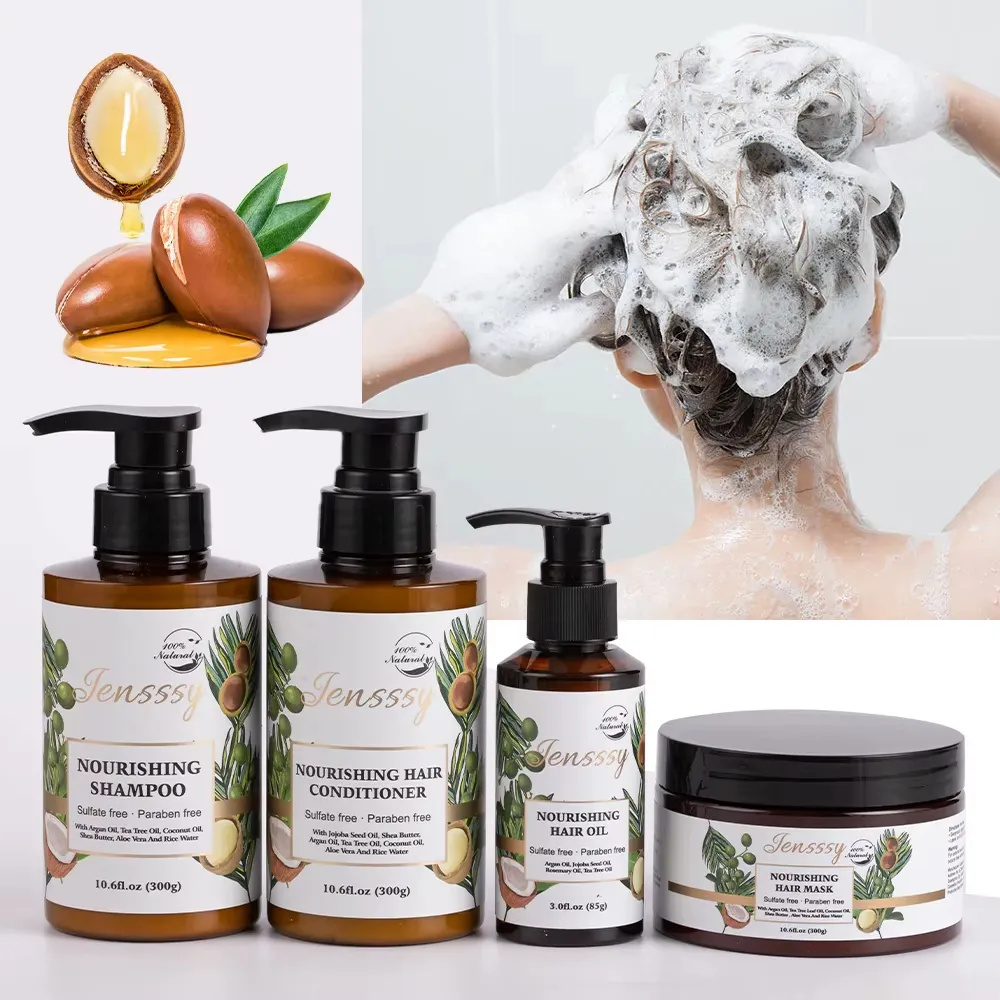
Sulfate-free shampoos are often positioned as premium products, and packaging must reflect that positioning. Key considerations include:
- Airless pump bottles protect oxidation-sensitive formulations
- PCR (post-consumer recycled) content signals sustainability commitment — 30–50% PCR is now standard for premium lines
- Matte-finish HDPE bottles with minimalist screen-printing outperform glossy labels in consumer preference studies
- Color psychology: Cool greens convey natural/herbal; warm ambers convey keratin/protein strength; soft whites with gold accents convey clinical luxury
The Regulatory Landscape
If your sulfate-free claims extend to "natural" or "organic" positioning, ensure your manufacturer's documentation supports every label claim. In the US, the MoCRA (Modernization of Cosmetics Regulation Act) now requires facility registration and product listing with the FDA. In the EU, EC 1223/2009 mandates a Product Information File (PIF) and Responsible Person designation. Your manufacturer should be familiar with — and compliant with — your target market's requirements.
Conclusion
Sulfate-free isn't a trend — it's the new baseline. Brands that invest in well-formulated sulfate-free keratin shampoo with transparent ingredient stories, premium sensorial profiles, and scientifically-backed claims will capture the loyalty of increasingly ingredient-literate consumers. The key is partnering with a manufacturer that understands not just what goes into the bottle, but why each ingredient matters.
Looking to launch your own sulfate-free keratin shampoo line? View our Keratin Shampoo OEM specifications or contact us to discuss your private label requirements.